Why Fixed SEL Scope and Sequences Fail in Real Classrooms
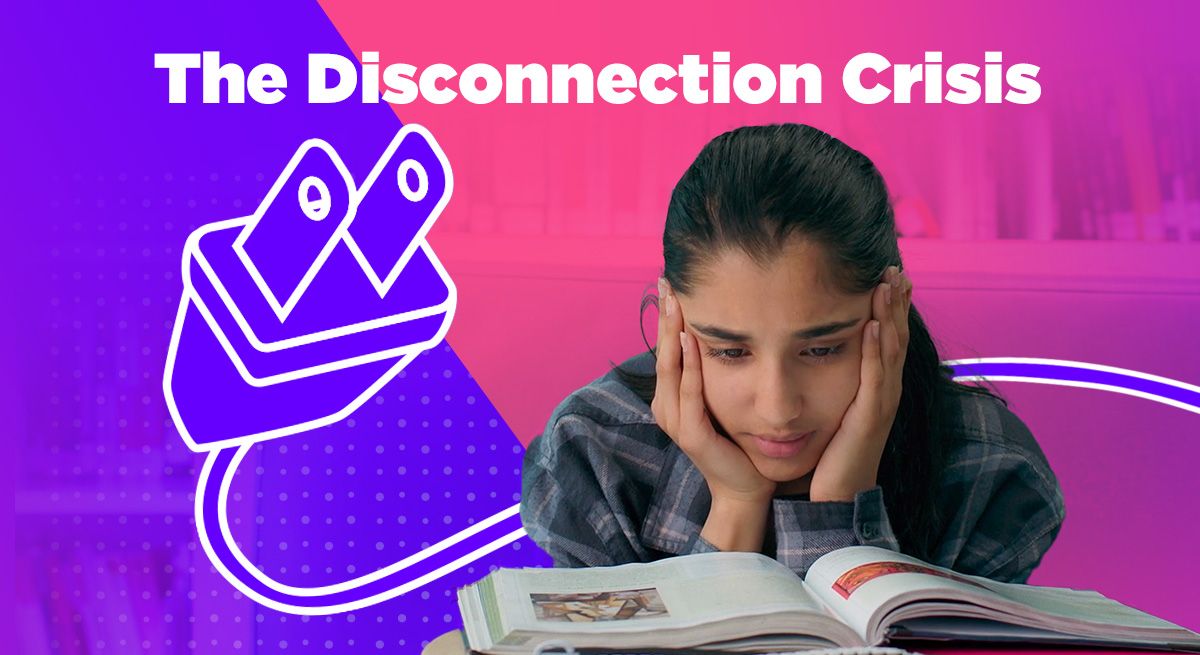
The Hook: The Disconnection Crisis
Imagine a commercial pilot being forced to follow a pre-written flight plan regardless of a sudden thunderstorm appearing on the radar. In aviation, ignoring the “real-time” environment is considered a fatal error. Yet, in education, we ask teachers to do this every day. We hand them a rigid Social-Emotional Learning (SEL) calendar and mandate “Module 4: Kindness” while the students in front of them are navigating an emotional storm of social media conflict or community grief. Research from the Collaborative for Academic, Social, and Emotional Learning (CASEL) shows that SEL is most effective when educators can adapt lessons to real-time student needs rather than follow rigid schedules.
When we prioritize a calendar over a child, we don’t just lose the lesson; we lose the student’s trust. This lack of responsiveness is the #1 reason SEL programs lack consistency in schools. When a fixed plan ignores the current reality of the classroom, teachers don’t stop because they lack professional commitment; they stop because the curriculum has lost its utility. In a world of dynamic student needs, a static schedule is a recipe for disengagement.
Why Fixed Plans Fail the "Real Life" Test
A fixed SEL scope and sequence is a static solution to a dynamic problem. It is designed for an “ideal” classroom that rarely exists in practice. These plans are often developed in isolation months before a school year begins, making them unaware of community tragedies, social media firestorms, or the acute stress spikes that coincide with state testing.
When content fails to match the moment, it fails to land. If your curriculum mandates “Lesson 14: Time Management,” but your students are navigating a major interpersonal drama that erupted over the weekend, the lesson isn’t just boring; it’s irrelevant. It transforms a vital mental health tool into an awkward, performative burden. For SEL to be effective, it must be “just-in-time,” not “just-in-case.”
The Evidence: Why Relevance is a Requirement
The shift toward adaptive SEL is not merely a pedagogical preference; it is a data-driven necessity for academic and behavioural success. We must look at the current landscape of student wellness to understand the stakes.
- The Engagement Gap: According to Gallup education research, student engagement drops from 74% in elementary school to a staggering 32% by the time students reach high school. A primary driver of this “engagement cliff” is a curriculum that feels disconnected from student reality.
- Rising Clinical Need: As of 2024, the CDC reports that nearly 37% of students feel persistent feelings of sadness or hopelessness. A pre-set calendar created in August cannot predict a mental health spike in February.
- Academic ROI: A landmark 2011 meta-analysis published in Child Development confirmed that schools using responsive, high-quality SEL saw an average 11-percentile point gain in academic achievement. SEL is not a distraction from academics; it is the engine for it.
Redefining the Scope and Sequence: Framework Over Script
To modernize SEL, we must shift our definition of a “Scope and Sequence” from a rigid timeline to a Strategic Adaptive Framework. In a professional district-wide implementation, an adaptive framework provides the “Guardrails of Quality” without the “Handcuffs of Pacing.”
District leaders must ensure that CASEL core competencies, Self-Awareness, Self-Management, Social Awareness, Relationship Skills, and Responsible Decision-Making are met across the year. However, the timing of these lessons should be fluid.
- The Data-Driven Pivot: Successful K-12 SEL implementation begins with a “Pulse Check.” This is why whole-child support fails without daily student wellness data; you cannot support what you cannot see. By capturing daily sentiment, leadership can pivot resources to where they are needed most.
- Modular Flexibility: Instead of a 30-week linear path, the curriculum should be organized into high-impact modules. If data shows a spike in test anxiety in March, the system should prompt “Stress Management” modules immediately, rather than waiting for the “scheduled” slot in May.
- Responsive Tier 1 Instruction: Implementation is not just about what happens during a 15-minute block; it is about the health of the entire Multi-Tiered System of Supports (MTSS). Adaptive SEL ensures that your foundation remains relevant. When Tier 1 Instruction is responsive, it reduces the “noise” in the data, allowing counselors to more accurately identify students for Tier 2 interventions before a crisis escalates.
- High-Impact Delivery: Relevance drives buy-in. When lessons are high-quality, culturally responsive, and easy to deploy, you achieve the Netflix-Style SEL lesson: high student engagement with zero teacher prep. This reduces the “administrative load” on teachers while increasing the “emotional load” they can effectively manage.
The Quiet Part Out Loud: Rigid Pacing Kills Teacher Buy-In
We often talk about “teacher buy-in” as a motivation issue. It isn’t. It’s a respect and capacity issue. Teachers are professionals who know their students better than any curriculum developer in a distant office. When they are forced to read a script that ignores a crying student or a tense classroom atmosphere, they feel devalued.
When a district moves to an adaptive model, it sends a message of trust and professional autonomy. It says to the educator: “We provide the high-quality tools, but you provide the professional judgment on when to use them.” This shift reduces burnout and ensures that SEL is seen as a supportive resource rather than another “to-do” list item.
The Adaptive Unlock: Real-Time Insight
The missing link in traditional SEL is insight. In a corporate setting, we wouldn’t launch a marketing campaign without real-time analytics; why do we launch wellness initiatives without real-time student feedback?
By integrating daily check-ins, SEL transforms from a “scheduled broadcast” into a “two-way conversation.” This allows a district to be proactive rather than reactive. It allows a counsellor to walk into a classroom before a conflict turns into an office referral. This is the difference between a program that is delivered and a program that is felt.
The Mic Drop: Our Students Can’t Wait
If SEL cannot adapt, it cannot support the whole child. We are living in an era where the emotional landscape of our students changes at the speed of a social media notification. Fixed plans serve calendars; adaptive systems serve humans.
Consistency is not found in teaching the same lesson at the same time in every room. True consistency is the unwavering commitment to meeting every student exactly where they are. It is time to stop teaching for the schedule and start teaching for the soul of the classroom. Our students don’t need a curriculum that follows a clock; they need a curriculum that follows them.
Stop serving the calendar. Start serving your students.
Ready to see how adaptive SEL can transform your district?
Don’t let your SEL program become another “checked box.” Discover how a modular framework provides district-wide consistency without the handcuffs of a rigid calendar.
👉 [View an Example SchoolBeat Scope & Sequence] 👉 [Book a Demo to See the Adaptive Framework in Action]
The Hook: The Disconnection Crisis
Imagine a commercial pilot being forced to follow a pre-written flight plan regardless of a sudden thunderstorm appearing on the radar. In aviation, ignoring the “real-time” environment is considered a fatal error. Yet, in education, we ask teachers to do this every day. We hand them a rigid Social-Emotional Learning (SEL) calendar and mandate “Module 4: Kindness” while the students in front of them are navigating an emotional storm of social media conflict or community grief. Research from the Collaborative for Academic, Social, and Emotional Learning (CASEL) shows that SEL is most effective when educators can adapt lessons to real-time student needs rather than follow rigid schedules.
When we prioritize a calendar over a child, we don’t just lose the lesson; we lose the student’s trust. This lack of responsiveness is the #1 reason SEL programs lack consistency in schools. When a fixed plan ignores the current reality of the classroom, teachers don’t stop because they lack professional commitment; they stop because the curriculum has lost its utility. In a world of dynamic student needs, a static schedule is a recipe for disengagement.
Why Fixed Plans Fail the "Real Life" Test
A fixed SEL scope and sequence is a static solution to a dynamic problem. It is designed for an “ideal” classroom that rarely exists in practice. These plans are often developed in isolation months before a school year begins, making them unaware of community tragedies, social media firestorms, or the acute stress spikes that coincide with state testing.
When content fails to match the moment, it fails to land. If your curriculum mandates “Lesson 14: Time Management,” but your students are navigating a major interpersonal drama that erupted over the weekend, the lesson isn’t just boring; it’s irrelevant. It transforms a vital mental health tool into an awkward, performative burden. For SEL to be effective, it must be “just-in-time,” not “just-in-case.”
The Evidence: Why Relevance is a Requirement
The shift toward adaptive SEL is not merely a pedagogical preference; it is a data-driven necessity for academic and behavioural success. We must look at the current landscape of student wellness to understand the stakes.
- The Engagement Gap: According to Gallup education research, student engagement drops from 74% in elementary school to a staggering 32% by the time students reach high school. A primary driver of this “engagement cliff” is a curriculum that feels disconnected from student reality.
- Rising Clinical Need: As of 2024, the CDC reports that nearly 37% of students feel persistent feelings of sadness or hopelessness. A pre-set calendar created in August cannot predict a mental health spike in February.
- Academic ROI: A landmark 2011 meta-analysis published in Child Development confirmed that schools using responsive, high-quality SEL saw an average 11-percentile point gain in academic achievement. SEL is not a distraction from academics; it is the engine for it.
Redefining the Scope and Sequence: Framework Over Script
To modernize SEL, we must shift our definition of a “Scope and Sequence” from a rigid timeline to a Strategic Adaptive Framework. In a professional district-wide implementation, an adaptive framework provides the “Guardrails of Quality” without the “Handcuffs of Pacing.”
District leaders must ensure that CASEL core competencies, Self-Awareness, Self-Management, Social Awareness, Relationship Skills, and Responsible Decision-Making are met across the year. However, the timing of these lessons should be fluid.
- The Data-Driven Pivot: Successful K-12 SEL implementation begins with a “Pulse Check.” This is why whole-child support fails without daily student wellness data; you cannot support what you cannot see. By capturing daily sentiment, leadership can pivot resources to where they are needed most.
- Modular Flexibility: Instead of a 30-week linear path, the curriculum should be organized into high-impact modules. If data shows a spike in test anxiety in March, the system should prompt “Stress Management” modules immediately, rather than waiting for the “scheduled” slot in May.
- Responsive Tier 1 Instruction: Implementation is not just about what happens during a 15-minute block; it is about the health of the entire Multi-Tiered System of Supports (MTSS). Adaptive SEL ensures that your foundation remains relevant. When Tier 1 Instruction is responsive, it reduces the “noise” in the data, allowing counselors to more accurately identify students for Tier 2 interventions before a crisis escalates.
- High-Impact Delivery: Relevance drives buy-in. When lessons are high-quality, culturally responsive, and easy to deploy, you achieve the Netflix-Style SEL lesson: high student engagement with zero teacher prep. This reduces the “administrative load” on teachers while increasing the “emotional load” they can effectively manage.
The Quiet Part Out Loud: Rigid Pacing Kills Teacher Buy-In
We often talk about “teacher buy-in” as a motivation issue. It isn’t. It’s a respect and capacity issue. Teachers are professionals who know their students better than any curriculum developer in a distant office. When they are forced to read a script that ignores a crying student or a tense classroom atmosphere, they feel devalued.
When a district moves to an adaptive model, it sends a message of trust and professional autonomy. It says to the educator: “We provide the high-quality tools, but you provide the professional judgment on when to use them.” This shift reduces burnout and ensures that SEL is seen as a supportive resource rather than another “to-do” list item.
The Adaptive Unlock: Real-Time Insight
The missing link in traditional SEL is insight. In a corporate setting, we wouldn’t launch a marketing campaign without real-time analytics; why do we launch wellness initiatives without real-time student feedback?
By integrating daily check-ins, SEL transforms from a “scheduled broadcast” into a “two-way conversation.” This allows a district to be proactive rather than reactive. It allows a counsellor to walk into a classroom before a conflict turns into an office referral. This is the difference between a program that is delivered and a program that is felt.
The Mic Drop: Our Students Can’t Wait
If SEL cannot adapt, it cannot support the whole child. We are living in an era where the emotional landscape of our students changes at the speed of a social media notification. Fixed plans serve calendars; adaptive systems serve humans.
Consistency is not found in teaching the same lesson at the same time in every room. True consistency is the unwavering commitment to meeting every student exactly where they are. It is time to stop teaching for the schedule and start teaching for the soul of the classroom. Our students don’t need a curriculum that follows a clock; they need a curriculum that follows them.
Stop serving the calendar. Start serving your students.
Ready to see how adaptive SEL can transform your district?
Don’t let your SEL program become another “checked box.” Discover how a modular framework provides district-wide consistency without the handcuffs of a rigid calendar.
👉 [View an Example SchoolBeat Scope & Sequence] 👉 [Book a Demo to See the Adaptive Framework in Action]